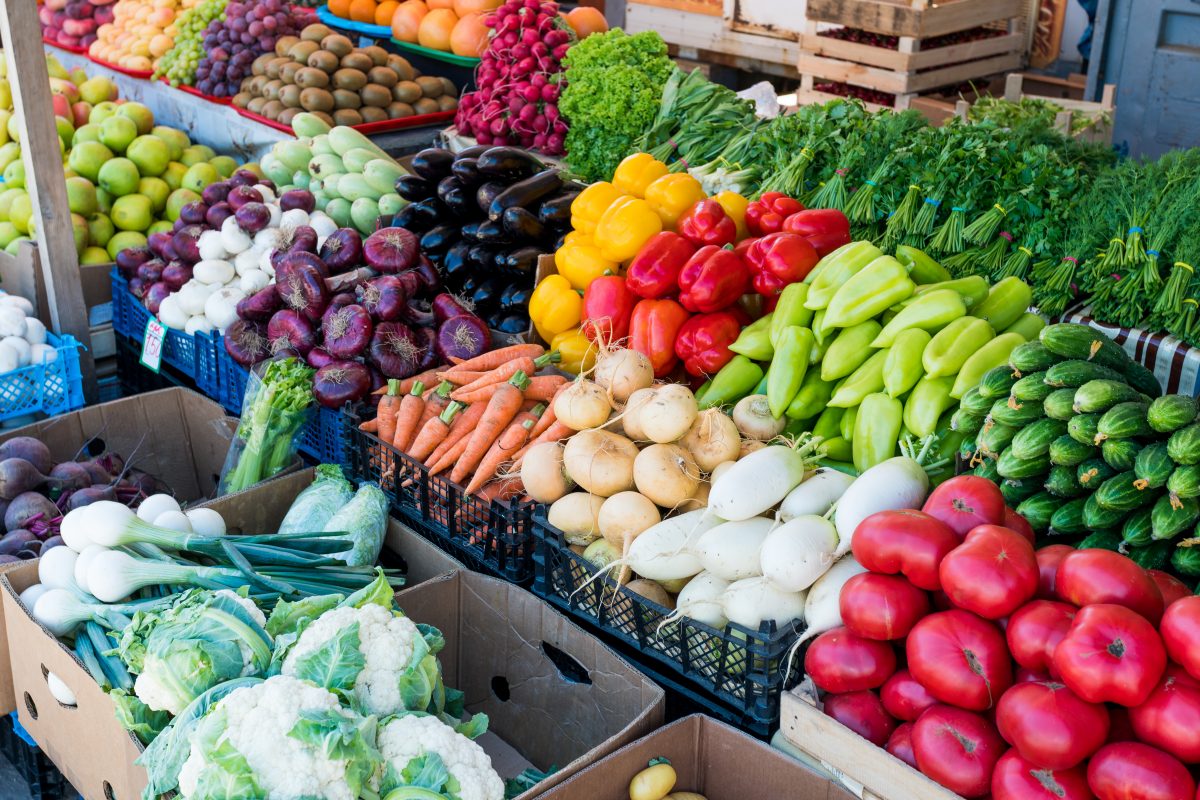
Farmers market have existed for centuries , In today’s fast-paced world, many of us have lost touch with where our food comes from and how it’s produced. With the rise of supermarkets and large chain stores, fresh, local produce is often overshadowed by mass-produced items. However, farmers’ markets offer an authentic alternative, providing fresh, seasonal, and locally sourced produce directly from farmers to consumers. These markets have gained popularity globally and have become hubs for people looking to enjoy high-quality food while supporting local economies and sustainable farming practices.
A farmers market is more than just a place to buy fresh produce; it’s a community gathering spot that promotes healthy living, environmental sustainability, and local agriculture. Shoppers can connect with the people who grow their food and learn more about how it’s produced, fostering a sense of transparency and trust. Farmers markets also play an important role in supporting small-scale farmers who may struggle to access larger commercial markets. In a world where mass production is often prioritized over quality, farmers’ markets are a refreshing reminder of the value of local and sustainable agriculture.
This article will explore the concept of farmers markets in detail, examining their definition, aims, challenges, and the various factors that make them so integral to local economies and communities. Whether you’re a frequent market-goer or simply curious about how these markets operate, this comprehensive guide will provide insights into the world of farmers markets.

Table of Contents
Toggle1. What is the meaning of a Farmers Market?
-
Definition of a Farmers Market A farmers market is a physical retail marketplace where farmers and food producers sell their products directly to consumers. Unlike traditional supermarkets that source goods from distributors and warehouses, a farmers market emphasizes the direct sale of food from its producer to the end customer. These markets often feature fresh produce, dairy, meats, baked goods, and artisanal products, all sold by local farmers and producers. The concept encourages local sourcing and helps eliminate the middlemen involved in food distribution.
-
The History of Farmers Markets Farmers markets have existed for centuries, with evidence of them dating back to ancient civilizations such as Rome, Greece, and Egypt. In these early societies, local farmers would gather in central locations to sell their produce and trade goods. In modern times, farmers markets experienced a decline in favor of large grocery chains, but they have seen a resurgence in the last few decades. Today, the global shift toward sustainable farming, organic produce, and the desire for fresher food has sparked a renewed interest in these traditional markets.
-
A Community-Based Marketplace One of the defining features of a farmers market is its strong connection to the local community. These markets are not just about buying and selling products but also about creating a sense of place and connection. Farmers markets often bring together people of all ages and backgrounds, encouraging community members to meet, share experiences, and support local economies. Many markets feature events, cooking demonstrations, and entertainment, making them a social hub for the community.
-
The Role of Local Produce Farmers markets are known for offering fresh, seasonal, and locally grown produce. This means that the fruits, vegetables, and herbs sold at these markets are typically picked at their peak of ripeness, providing consumers with healthier, more flavorful options. Local sourcing is also important from an environmental perspective, as it helps reduce the carbon footprint associated with transporting food across long distances. In this way, farmers markets support sustainability and help combat the effects of industrial agriculture.
-
The Seasonal Nature of Farmers Markets Another characteristic of farmers markets is their seasonal nature. Depending on the region, the products available at the market may change throughout the year, reflecting what is in season. For example, in the spring and summer, you may find an abundance of fresh berries, tomatoes, and leafy greens, while in the fall, pumpkins, squash, and apples are more common. This seasonal variety adds to the charm of farmers markets, as shoppers are encouraged to eat what is fresh and available at that time.
-
Supporting Local Farmers and Artisans Farmers markets are an essential resource for small-scale farmers and local artisans. Many of the vendors at these markets are family-owned farms or individuals who may not have the resources to sell their goods in large commercial settings. By selling directly to consumers, farmers can keep more of the profits, which helps sustain their businesses and ensures the continuation of local farming practices. Farmers markets also provide a platform for artisans who produce handmade goods such as candles, soaps, and crafts.
-
The Importance of Sustainability Sustainability is a core value of farmers markets. Many of the producers who sell at these markets engage in sustainable farming practices, using organic methods, reducing the use of pesticides, and focusing on soil health. This is in stark contrast to large-scale industrial farming, which often prioritizes efficiency over sustainability. By supporting farmers who prioritize environmental stewardship, consumers contribute to a more sustainable and resilient food system.
-
The Convenience of Local Shopping Farmers markets offer a convenient and personalized shopping experience. Unlike the crowded aisles of supermarkets, farmers markets often provide a more relaxed atmosphere where shoppers can interact with vendors, ask questions about products, and even sample goods before purchasing. This direct interaction allows consumers to learn more about the origins of their food and fosters a sense of trust and transparency.
-
The Role of Technology in Farmers Markets While farmers markets are rooted in tradition, they are not immune to the advancements of modern technology. Many markets have embraced digital tools to enhance the shopping experience. For example, some farmers markets have apps that allow customers to check what products are available or pre-order items for pick-up. Additionally, many vendors now accept digital payment methods such as mobile wallets and credit cards, making it easier for customers to shop without the need for cash.
-
Global Growth of Farmers Markets Over the past decade, farmers markets have seen significant growth worldwide. What started as a niche movement in places like Europe and North America has expanded to other parts of the world, including Asia and Africa. As consumers become more conscious of where their food comes from, the demand for fresh, local, and sustainable products continues to rise. Farmers markets are now seen not only as a trend but as a vital part of the global movement towards sustainable food systems.
2. What are the aims of a Farmers Market?
-
Promote Local Agriculture One of the primary aims of farmers markets is to support and promote local agriculture. By providing a direct sales outlet for farmers, these markets help to sustain small-scale farming operations and encourage the production of locally grown food. This benefits the local economy and helps to ensure that local farmers can remain competitive in the marketplace. Moreover, the focus on local produce reduces reliance on imported goods and supports the regional food system.
-
Encourage Healthy Eating Farmers markets aim to make healthy food more accessible to consumers by providing fresh, nutritious, and often organic produce. By offering seasonal fruits and vegetables, these markets encourage people to eat in a way that supports their health and well-being. Eating fresh produce has been linked to a reduced risk of chronic diseases, and farmers markets make it easier for consumers to incorporate these foods into their daily diets.
-
Reduce Environmental Impact Another significant aim of farmers markets is to reduce the environmental impact associated with food production and transportation. By selling locally grown food, farmers markets help to decrease the carbon footprint of food transportation. Additionally, many of the farmers who sell at these markets engage in sustainable farming practices that prioritize soil health, reduce pesticide use, and conserve water. This makes farmers markets an important part of the movement towards more environmentally friendly food systems.
-
Create Community Connections Farmers markets are not just about selling food—they are also about creating a sense of community. These markets provide a space where consumers can interact with farmers, learn about where their food comes from, and support local businesses. Many farmers markets feature live entertainment, cooking demonstrations, and other community-building activities that help bring people together. This sense of connection fosters a deeper understanding of food production and consumption.
-
Support Small-Scale Farmers and Artisans Farmers markets aim to provide a platform for small-scale farmers and local artisans who may struggle to access larger commercial markets. By eliminating the middleman and allowing farmers to sell directly to consumers, these markets ensure that more of the money spent goes directly to the producers. This supports local economies, helps preserve farming traditions, and ensures that consumers have access to high-quality, locally made products.
3. What are the challenges facing Farmers Markets around the Globe?
Farmers markets, despite their popularity and positive impact, face several challenges worldwide. These challenges can vary depending on the region, but some common issues include market accessibility, weather dependence, competition with larger retailers, and the need for regulatory support.
4. What Sells Best at a Farmers Market?
The best-selling products at farmers markets tend to vary depending on the region and time of year. However, fruits, vegetables, meats, dairy, and baked goods consistently rank as top sellers. Seasonal produce like tomatoes, apples, and berries often draw large crowds, while artisanal bread, cheese, and locally sourced honey are popular year-round.
5. Who are the People that Play a Vital Role in Farmers Markets?
Farmers, artisans, market managers, and customers all play a vital role in ensuring the success of a farmers market. Farmers provide the goods, artisans offer handmade products, market managers organize and promote the events, and customers bring the demand that keeps the market thriving.
Summary
Farmers markets are vital for promoting local agriculture, providing fresh food, and supporting small-scale farmers and artisans. These markets foster community connections and contribute to environmental sustainability. While there are challenges to overcome, the benefits of farmers markets far outweigh the drawbacks.
Conclusion
Farmers markets represent a harmonious blend of tradition and modernity. They not only provide access to fresh, local, and sustainable food but also play a crucial role in fostering community connections and supporting small-scale farmers. As more people seek to make informed choices about the food they eat, farmers markets will continue to thrive as essential hubs for local food systems and vibrant community spaces.