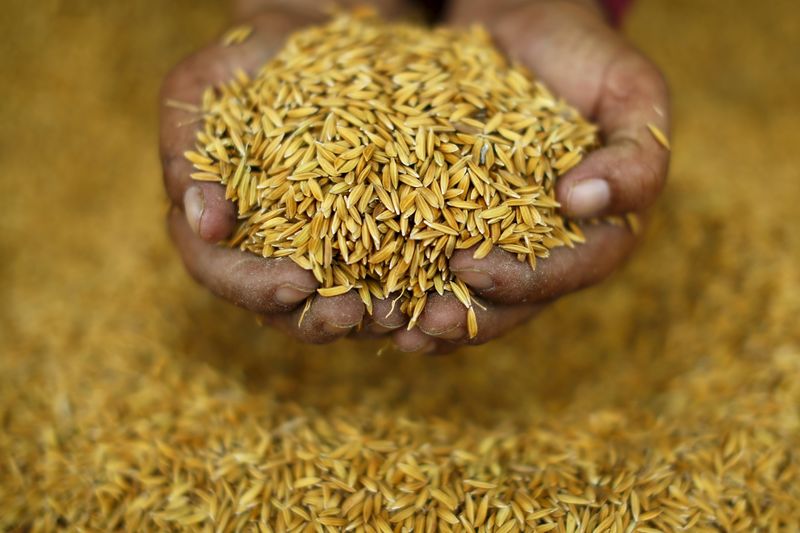
Rice harvesting involves collecting the mature crop typically including cutting, threshing, cleaning and hauling. Rice is one of the most important staple foods worldwide, providing sustenance for billions of people across the globe. It is grown in over 100 countries and is central to both agriculture and the economy in many regions. The process of harvesting rice is a critical phase in the journey from seed to plate, ensuring the grains reach their full potential in terms of quality and yield. While rice farming might seem simple at first glance, it involves a delicate balance of timing, skill, and technology to ensure that the harvest is as productive and efficient as possible.
Rice harvesting is not just about gathering the crop from the field; it’s a complex process that requires careful planning, understanding the right conditions for harvest, and employing the right techniques. This involves both traditional methods that have been passed down through generations and modern technology that has revolutionized rice farming. For anyone interested in agriculture, particularly rice farming, understanding the intricacies of the harvesting process is vital. It provides insight into the challenges and rewards of rice cultivation, helping farmers maximize their harvest while ensuring sustainability and quality.
In this article, we will explore the different aspects of rice harvesting, from the methods involved to the challenges faced by farmers. Whether you are a novice or an experienced farmer, this guide will provide you with valuable information about the various techniques, tools, and considerations involved in harvesting rice. Additionally, we will also look at some of the best rice harvesting practices and innovations, so you can make informed decisions for more efficient and productive farming.

Rice Harvesting Description
1. The Importance of Timing in Rice Harvesting
Rice harvesting starts with careful timing. Harvesting too early or too late can lead to a loss of grain quality, lower yields, or even crop damage. The general rule of thumb is to wait until the rice grains have reached maturity and are hard, but not too dry. Farmers often use a method called the “field test” to determine if the rice is ready for harvest. This involves inspecting a small sample of the crop, looking for plump, golden grains that easily detach from the stalk. Once the majority of the rice reaches this stage, it’s time to start harvesting.
2. Traditional Rice Harvesting Techniques
In many rural areas, especially in developing countries, traditional methods of rice harvesting are still widely used. These techniques often involve manual labor, with farmers using sickles or knives to cut the rice stalks by hand. This method allows for greater precision and is more selective, ensuring that only the best rice is harvested. However, traditional harvesting is very labor-intensive and time-consuming, which can lead to higher costs and lower overall efficiency compared to more modern methods.
3. Mechanized Rice Harvesting
With the advent of technology, rice harvesting has become more mechanized. In countries like the United States, China, and Japan, large combine harvesters are used to cut, thresh, and separate the rice grains in one swift operation. These machines have significantly reduced labor costs and increased harvesting efficiency. A combine harvester can harvest several acres of rice in a single day, making it an invaluable tool for large-scale rice farmers.
4. Dry vs. Wet Rice Harvesting
Rice can be harvested either wet or dry, depending on the farming method and the region. Wet harvesting involves harvesting rice that is still in a flooded field, which is common in regions where rice paddies are irrigated. This method requires specialized equipment that can work in wet conditions, such as amphibious harvesters. Dry harvesting, on the other hand, is carried out in dry conditions, typically in areas where rice is grown in non-flooded fields or after the water has been drained.
5. Harvesting by Hand vs. Machine
While mechanization has taken over much of rice harvesting, there are still many areas where manual harvesting is preferred. Hand harvesting is typically more labor-intensive, but it allows for better control and can be more suitable for small-scale farmers who don’t have access to expensive machinery. Additionally, harvesting by hand can be more beneficial in areas with hilly terrain where large machines might struggle.
6. The Role of Field Preparation in Harvesting Success
Field preparation plays a key role in the success of rice harvesting. A well-prepared field ensures that the rice grows uniformly, making it easier to harvest. Proper field leveling, irrigation management, and soil fertility all contribute to an optimal harvest. Additionally, careful consideration of row spacing and planting depth can affect the harvest process, influencing both yield and ease of collection.
7. Optimal Harvesting Time and Weather Conditions
The timing of the harvest is influenced by various factors, including weather conditions. Farmers must keep a close eye on the weather forecast to avoid harvesting during rainy spells that could damage the crop. Overly wet conditions can lead to rice sprouting or mold, which reduces the quality and marketability of the grain. Farmers often prefer harvesting on dry, clear days, which ensures that the rice is in the best condition for handling and storage.
8. The Process of Threshing and DEHUSKING
Once the rice is harvested, it must be threshed to separate the grains from the stalks. This can be done manually or with the help of a machine. After threshing, the rice is often DEHUSKED to remove the outer shell, leaving the edible grain. The husking process is a crucial step in rice processing, as it affects the texture, taste, and quality of the final product.
9. Rice Storage After Harvesting
Proper storage of harvested rice is essential to prevent spoilage and maintain quality. Farmers typically store rice in dry, cool places to avoid the growth of mold or pests. Depending on the scale of the farm, storage may be done in large silos, grain bags, or warehouses. Farmers must also ensure that rice is adequately ventilated to prevent moisture buildup, which could lead to the growth of fungi or bacteria.
10. Post-Harvest Handling and Market Preparation
After harvesting and processing, rice is usually sent to mills for further processing and packaging. This step includes cleaning, grading, and packaging the rice to prepare it for sale to consumers. The quality of rice post-harvest can significantly influence its market price, making it essential for farmers to take care throughout the harvesting and processing phases.
What Are the Methods of Harvesting Rice?
1. Manual Harvesting
The most traditional method of rice harvesting is manual harvesting, where farmers cut the rice stalks by hand using a sickle or other sharp tools. While this method is labor-intensive, it allows for a careful and selective harvest, which can be beneficial for small-scale or organic farmers. The process is often more time-consuming but can ensure that only the best grains are harvested.
2. Mechanical Harvesting
Mechanical harvesting involves the use of machines like combine harvesters, which cut, thresh, and separate the rice grains in one continuous operation. These machines are particularly useful for large-scale farms, where manual harvesting would be too labor-intensive. Mechanical harvesting is more efficient and faster than manual methods, though it requires a significant upfront investment in machinery.
3. Semi-Mechanized Harvesting
Semi-mechanized harvesting is a compromise between manual and fully mechanized harvesting. It typically involves the use of a rice harvester that is smaller and more affordable than a full combine harvester. This method is suitable for medium-scale farms and can increase efficiency without the high costs associated with larger machines.
4. Wet Harvesting with Specialized Equipment
Wet harvesting is carried out when rice fields are flooded. Specialized machines, such as amphibious harvesters, are used to cut and collect rice in waterlogged fields. This method is common in regions where rice is cultivated in paddies that are submerged under water for most of the growing season. Wet harvesting requires specialized equipment due to the unique conditions of flooded fields.
5. Combining Techniques
In some regions, farmers combine traditional and modern techniques to harvest rice. For example, they may use mechanical harvesters for the majority of the work, but manually collect specific areas that are difficult for machines to reach. This hybrid approach allows farmers to optimize efficiency while retaining the benefits of more controlled, manual harvesting in specific areas.
What Are the Challenges Faced by Farmers While Harvesting?
Rice farmers face numerous challenges during the harvesting process. These challenges can vary depending on the region, scale of farming, and the methods used for harvesting. Some of the key challenges include:
-
Weather Conditions: Unpredictable weather, such as heavy rain or strong winds, can damage crops and delay harvesting. Wet conditions can also cause rice grains to spoil, affecting both yield and quality.
-
Labor Shortages: In regions where manual harvesting is still common, a lack of available labor can make the process difficult and costly. As populations shift to urban areas, finding enough workers to harvest rice has become a major issue in some parts of the world.
-
Pests and Diseases: During harvest, rice crops are vulnerable to pests and diseases. Insects and rodents can damage the grains, while fungal infections can lead to mold or rot, reducing the quality of the harvested rice.
-
Mechanical Failures: For farmers using machines, mechanical failures can be costly and time-consuming. Repairs and maintenance on combine harvesters or other equipment can result in delays and increased operational costs.
-
High Costs of Mechanization: Although mechanization can improve efficiency, the initial investment in machinery can be prohibitively expensive for small-scale farmers. Additionally, the cost of fuel and maintenance for these machines can add to the financial burden.
What Are the Major Operations Involved in the Processing of Rice After Harvesting?
Once the rice is harvested, several critical steps are required to process it before it is ready for consumption or sale. These operations include:
-
Threshing: The first step in rice processing is threshing, where the rice grains are separated from the stalks. This is typically done by machine or by hand, depending on the scale of the farm.
-
Cleaning: After threshing, the rice grains must be cleaned to remove any dirt, dust, or foreign materials. This is done using air blowers or sieves to ensure that the rice is clean before it is sent for further processing.
-
Drying: Rice grains are often dried to reduce moisture content, preventing mold and improving storage longevity. Farmers may use solar drying, mechanical dryers, or natural air drying methods to reduce the moisture levels.
-
Milling: Milling is the process of removing the husk and polishing the rice to produce the final product. Depending on the desired result, rice can be milled to produce white rice, brown rice, or other specialty varieties.
-
Packaging: After milling, rice is packaged and prepared for distribution. Packaging can be done in bulk or in smaller bags, depending on the market demand.
Best Rice Harvesting Techniques Known to You
The best techniques for rice harvesting depend on factors such as the scale of the farm, available resources, and regional conditions. Some of the most effective techniques include:
-
Combining Manual and Mechanical Harvesting: For large-scale farms, using a combine harvester can greatly increase efficiency. However, complementing this with manual harvesting for delicate areas can help ensure quality.
-
Optimal Timing: Knowing the right time to harvest is crucial. Using field tests to determine the perfect harvest time can ensure that rice is harvested when it is at its peak quality.
-
Field Management: Proper irrigation, soil management, and pest control can all help improve the efficiency of harvesting by ensuring that crops are healthy and uniform.
Summary
Rice harvesting is an intricate process that involves various methods, each suited to different farming conditions. From traditional hand harvesting to modern mechanized techniques, the choice of method largely depends on the scale of the farm, available resources, and local conditions. The timing of the harvest, the tools and techniques used, and the weather all play significant roles in ensuring a successful rice harvest.
Conclusion
Harvesting rice is far more than just collecting the crop. It requires careful planning, skilled labor, and attention to detail. Whether you are using traditional methods or modern machinery, the goal remains the same: to harvest the rice at its peak quality while managing the challenges that come with the process. By understanding the various techniques and operations involved in rice harvesting, farmers can ensure that their crops are harvested efficiently, leading to higher yields and better-quality rice on the market.